Wed Oct 14 2026
Using Kratom for Anxiety? What to Expect When You Stop
Stopping kratom after using it for anxiety? Learn what to track, why symptoms need assessment, and how to plan ongoing mental-health care in Texas.
Published by Lyte Psychiatry · Meet our care team
What can happen when you stop kratom used for anxiety?
If you stop kratom used for anxiety, anxiety may become more noticeable, but a change after stopping does not prove that withdrawal is the only cause. A clinician can assess your previous anxiety, current symptoms, sleep, other substances, and medications together.
If kratom seemed to help you cope, it can feel unsettling to consider stopping. The next step is a plan that addresses both your use and the anxiety you wanted relief from.
What does the FDA say about kratom?
The FDA does not consider kratom an approved treatment for anxiety or any other condition. The FDA page on kratom states that there are no prescription or over-the-counter drug products containing kratom that are legally on the market, and it warns about risks including liver toxicity, seizures, and substance use disorder.
The same FDA page describes cases where people developed tolerance, needing more kratom for the same effect, and had withdrawal symptoms when they stopped. It also notes concerns about contamination in some products and about concentrated 7-hydroxymitragynine (7-OH) products, which the agency treats as an opioid concern.
This matters for anyone who wants to stop kratom used for anxiety. Products can vary, labels may not reflect what is inside, and your body may have adapted to regular use. Those are good reasons to talk with a clinician before or soon after you stop, rather than sorting it out alone.
Does feeling relief mean kratom treats an anxiety disorder?
No. Feeling temporary relief is different from evidence that a product safely treats an anxiety disorder. NIDA’s kratom overview explains that people report using kratom for mental-health symptoms, but it has not been demonstrated safe and effective for a medical condition.
Tell the clinician what changed when you began using it and what happens between doses. Include whether you now use more often, worry about running out, or find it difficult to cut down.
Why people may turn to kratom for anxiety
People often start kratom hoping for relief that feels faster or more private than seeing a clinician. Some find it in a store or online and see it described as natural. Others start for pain, energy, or sleep and later notice it seems to take the edge off worry.
Those reasons make sense, and there is no shame in them. Still, if you use kratom to get through the day, it is worth asking what the anxiety underneath looks like. Questions to reflect on:
- Was anxiety present before you started kratom, and for how long?
- Did you need more over time to get the same calming effect?
- Do you feel anxious mainly when a dose wears off?
- Has kratom use affected money, work, sleep, or relationships?
Your honest answers can help a clinician understand whether the main need is anxiety treatment, help with kratom use, or care for both together.
Special situations to mention to a clinician
Some circumstances call for extra care and should be shared early:
- Pregnancy or plans to become pregnant: the FDA page on kratom reports cases of withdrawal symptoms in newborns exposed to kratom during pregnancy. Talk with your obstetric clinician as well.
- An existing anxiety or depression diagnosis: share any prescribed medicines so your clinician can review possible interactions.
- Use of 7-OH or concentrated products: these may carry different risks than plain leaf products.
- Other substances: alcohol, sedatives, opioids, or stimulants can change how stopping feels and what is safe.
- Liver or seizure history: the FDA lists liver toxicity and seizures among kratom safety concerns.
How can you separate old symptoms from new ones?
A short record can make the assessment more useful. It is not a diagnosis or a reason to delay care.
- Before kratom: the anxiety you experienced, its triggers, and any previous diagnosis or treatment.
- During regular use: what seemed better, what became harder, and any change in amount or frequency.
- After reducing or stopping: when symptoms began, whether they fluctuate, and how they affect sleep, eating, work, and relationships.
- Other changes: medicines, alcohol, caffeine, other substances, illness, or major stress.
Bring label photographs and your use pattern. Ordinary leaf products and concentrated extracts should not be treated as interchangeable.
What to track in the weeks after stopping
A simple daily log can help you and a clinician see patterns that are hard to remember in the moment. Consider noting:
- Anxiety level: a rating from 0 to 10, plus when it peaks during the day.
- Physical symptoms: such as restlessness, aches, stomach upset, sweating, or a racing heart.
- Sleep: when you fell asleep, how often you woke, and how rested you felt.
- Cravings or urges: when they show up and what was happening at the time.
- Other substances: caffeine, alcohol, nicotine, cannabis, or over-the-counter products.
- Mood: low mood, irritability, or loss of interest.
Bring the log to your appointment. It does not need to be perfect. Even a few days of notes can help separate a short-term reaction from a longer-standing anxiety problem. If nights are the hardest, Why Is My Anxiety Worse at Night? covers common reasons.
Questions to ask a clinician
It can help to arrive with a few questions written down, such as:
- Do my symptoms sound more like withdrawal, an anxiety disorder, or both?
- Are any of my symptoms a reason for urgent or medical care?
- Could other substances, medicines, or health conditions be involved?
- What anxiety treatments fit my situation?
- Do I need a higher level of care than outpatient visits?
Being open about how much and how often you used kratom helps your clinician give safer advice. How to Talk to Your Therapist or Psychiatrist offers tips for honest conversations.
What should an ongoing anxiety plan cover?
Discuss the situations you avoid, worries that persist, panic episodes, and what you want to be able to do again. NIMH’s anxiety-disorders guide explains that persistent anxiety can interfere with ordinary activities and deserves attention.
Ask which psychological and medical treatment options fit your assessment, what follow-up is needed, and how progress will be reviewed. If you already take prescribed medication, contact the prescriber before changing it. Do not borrow sedatives or use alcohol to manage the transition.
Anxiety treatment options that do not rely on kratom
Effective anxiety care usually combines skills, support, and, for some people, medication chosen with a prescriber. The MedlinePlus overview of anxiety describes psychotherapy and medication as the main treatments, often used together. It names cognitive behavioral therapy, which teaches different ways of thinking and behaving, and acceptance and commitment therapy, which uses mindfulness and goal setting. It also notes that caffeine, other substances, and certain medicines can make symptoms worse.
Options a clinician may discuss include:
- Therapy focused on anxiety, worry, panic, or avoidance.
- A psychiatric evaluation and medication discussion, if appropriate.
- Sleep routines and steady daily structure.
- Ways to cope with cravings and stress without returning to kratom.
- Support groups or recovery communities.
Lyte offers anxiety care, including therapy and medication management, for people who want an outpatient plan.
Myths about stopping kratom used for anxiety
- Myth: "If my anxiety gets worse, kratom must have been treating it." Worse anxiety after stopping can reflect withdrawal, a return of earlier symptoms, or both. An assessment helps tell the difference.
- Myth: "Natural means safe." The FDA has raised safety concerns about kratom, and products can vary.
- Myth: "I should be able to handle this alone." Many people benefit from support, and asking for it is a sensible step.
- Myth: "Outpatient care can handle any withdrawal." Some situations need medical or higher-level care. A clinician can help you figure out where to start.
For example, someone might notice that their worry is worst in the late afternoon and wonder whether that timing is linked to when they used to take kratom. Writing that pattern down and bringing it to a visit is far more useful than guessing. The goal is not to judge past choices but to build a plan that addresses anxiety directly and safely over the coming months.
How family and friends can help
Support works best when it is calm and nonjudgmental. Loved ones can listen without lecturing, help with practical tasks like rides to appointments, and encourage honest conversations with a clinician. They can also learn the warning signs that need urgent care. If you are trying to find treatment options, the SAMHSA National Helpline is a free, confidential, 24/7 treatment referral and information service in English and Spanish for people and families facing mental health or substance use concerns. For more on who may be a fit for outpatient care, see Online Kratom and 7-OH Treatment in Texas: Who Is a Good Fit.
When should anxiety-like symptoms receive urgent attention?
Do not assume chest pain, serious breathing difficulty, fainting, seizures, or severe confusion are just anxiety. Seek emergency help for those signs; call 911 for immediate danger. Call or text 988 for suicidal thoughts or an emotional crisis, and call 911 for an attempt or immediate life-threatening danger.
Seek prompt assessment if symptoms are escalating or basic needs such as drinking, eating, or sleeping are becoming difficult. The 7-OH warning-sign guide is particularly relevant if the product contains concentrated 7-OH.
Where can you discuss both concerns in Texas?
Lyte provides outpatient substance-use and mental-health assessment and referral coordination. It does not provide medical detox, residential rehabilitation, or buprenorphine or methadone treatment for opioid use disorder.
For suitable outpatient needs, review Texas telepsychiatry and insurance information. Ask for a plan that follows anxiety and daily functioning over time, rather than treating the first improvement as the end of care.
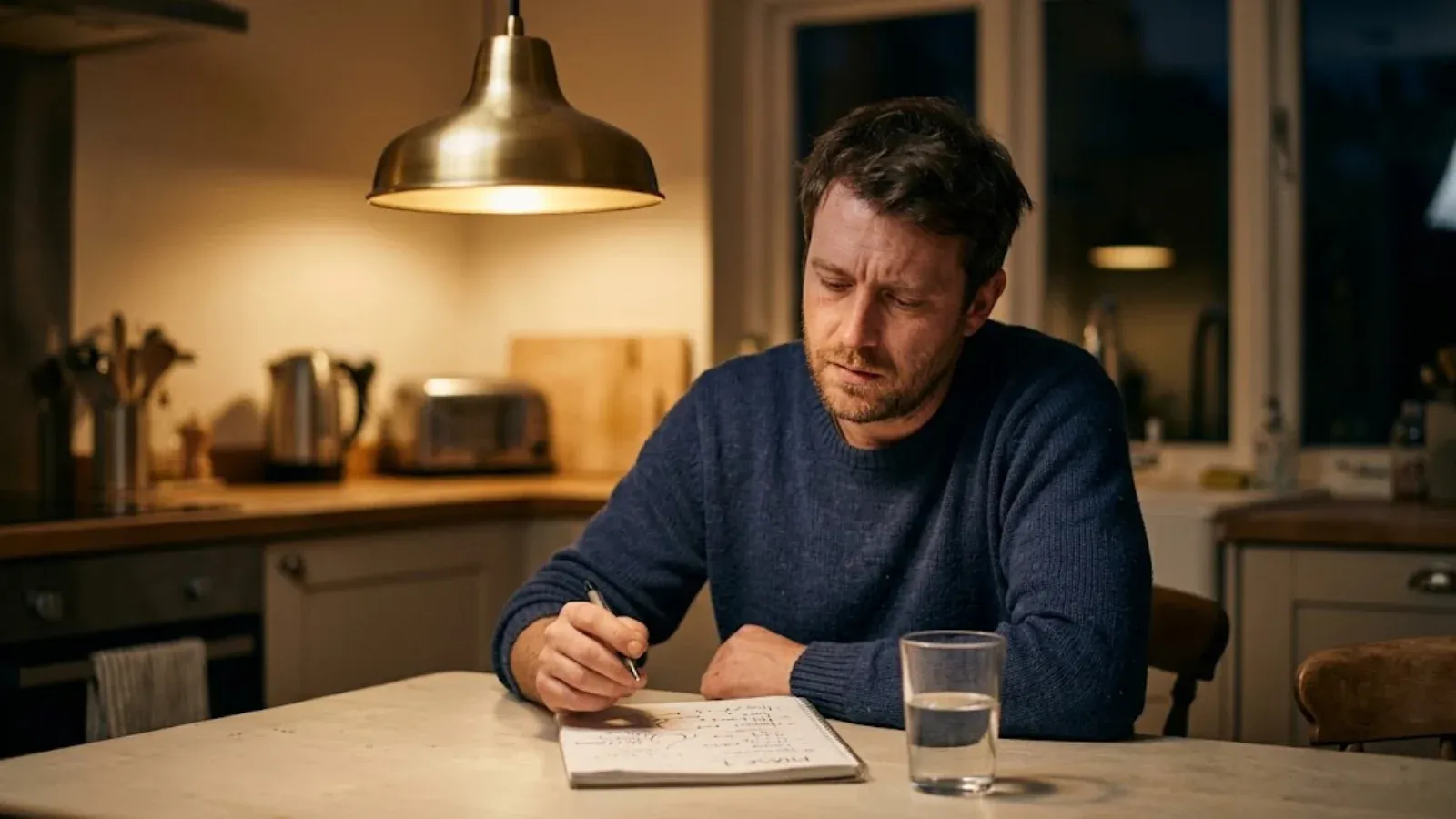
Educational information, not an individual diagnosis or withdrawal schedule. The journal image is AI-generated.
Common Questions
Frequently Asked Questions
Is anxiety after stopping kratom always withdrawal?
Not always. Anxiety after stopping can be part of withdrawal, but it may also be anxiety that kratom was masking, or a separate anxiety condition. Timing, other symptoms, and your history before kratom can offer clues. A clinician can help sort out what is happening and recommend a plan that fits you.
Is kratom an approved anxiety treatment?
No. The U.S. Food and Drug Administration has not approved kratom for any medical use, including anxiety. Kratom products can vary in strength and contents, and they can lead to dependence. If you have been using kratom to manage anxiety, a clinician can discuss evidence-based options such as therapy and, when appropriate, medication.
How long will the anxiety last?
It varies. Withdrawal-related anxiety often eases as your body adjusts, but the timeline depends on how much and how long you used, your health, and whether an underlying anxiety condition is present. If anxiety persists or keeps you from functioning, talk with a clinician rather than waiting it out alone.
Should I change my prescribed anxiety medication?
Do not change, stop, or add to a prescribed medication on your own. Talk with your prescriber first and let them know about your kratom use and any changes you have made. They can check for interactions, review your symptoms, and decide together with you whether any adjustment makes sense.
What should I record before the appointment?
Write down which products you used, how often, and when you stopped or cut back. Track your anxiety, sleep, mood, physical symptoms, and cravings each day, plus any prescriptions, supplements, alcohol, or other substances. Note what helps and what makes symptoms worse. This information helps your clinician make a safer plan.
When is it more than an ordinary anxiety episode?
It may be more serious if you have chest pain, trouble breathing, fainting, confusion, a racing heart that will not settle, or severe vomiting or dehydration. Call 911 for any medical emergency. If you have thoughts of suicide or self-harm, call or text 988. Ongoing anxiety that disrupts daily life also needs prompt care.
Further Reading
FDA — 7-OH Product Risks
Safety information about products containing concentrated 7-OH
Texas DSHS — 7-OH Health Alert
Texas public health information about serious illnesses associated with 7-OH
CDC — About Naloxone
Recognizing and responding to an opioid overdose
These topic resources supplement the references linked within the article.
Related Care and Resources
Lyte Psychiatry — Texas
Anxiety Treatment — Texas
Evidence-based care for generalized anxiety, social anxiety, panic disorder, and phobias.
Find Care Near You
Lyte Psychiatry serves patients across Texas — in-person in DFW and via telehealth statewide.
Don't see your city? View all Texas locations →
Questions about cost? View insurance and payment information